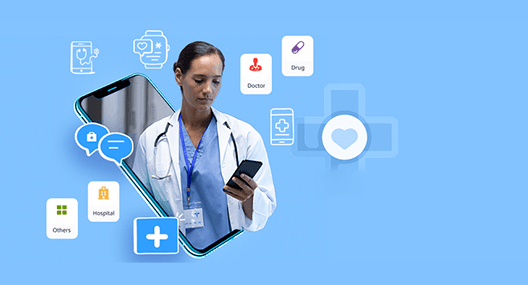
The healthcare sector has struggled over the last couple of years to contend with the disruptions of the pandemic and skyrocketing prices of everything from medicines to surgical equipment — but that hasn't stopped efforts to make healthcare more accessible to the public, with mobile technology becoming a key part of the strategy.
Why Healthcare Tech Should Be Mobile-Centric
In 2021, studies estimated that 85% of the US adult population owned a smartphone — no other medium sits as close to consumers, connecting them with the nearest healthcare options when needed.
Universal Inclusion
Smartphones help healthcare organizations reach even the most isolated or underserved communities, regardless of age, location, or gender. They help establish a connected care system where patient health information can be shared with stakeholders, including government and insurance bodies, who can administer benefits accordingly — a crucial channel even for low-income households.
Connected Care Delivery
The average US household now has 22 connected smart devices, including Internet of Medical Things (IoMT) devices such as health-sensor smartphones, fitness bands, and smart diagnostic tools. A smartphone app can record a patient's routine activity from these devices and automatically notify stakeholders if abnormalities are spotted — supporting preventive care by catching issues remotely instead of waiting for a clinic visit.
Smoothing Back-Office Administration
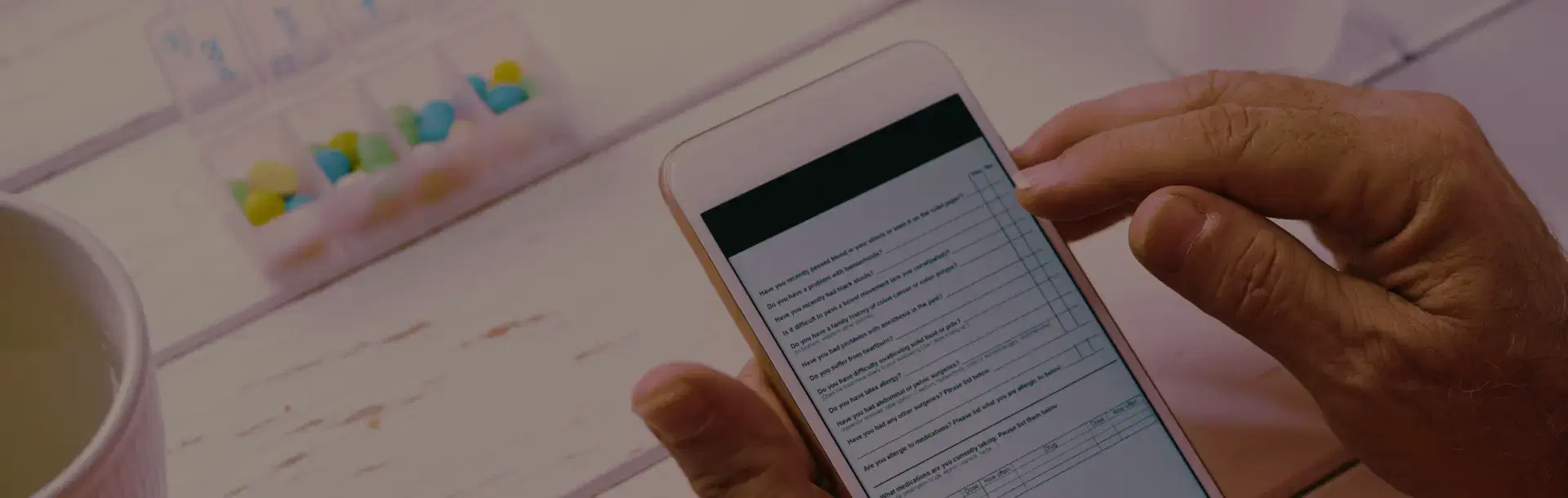
Settling insurance claims and validating eligibility can be a herculean task for hospital administrators, and it isn't good practice to leave patients in the dark about their claims. A dedicated smartphone app can collect patient data through simple forms, track the metrics needed to verify eligibility for benefit schemes, and notify patients about the status of their claims — making back-office processes less complicated for both staff and patients.
Smartphones can go a long way in enabling better healthcare access for the public — from alerting patients when sugar levels drop to helping doctors communicate remotely with patients. The pandemic proved that digital channels are a reliable way for payers and providers to stay connected with patients no matter where they are, and smartphones are the gateway that makes that connectivity possible.